
APRENDE EL CORRECTO CEPILLADO DENTAL
El cepillado de dientes diario es esencial para tener una buena salud bucal y prevenir enfermedades, pero también para lucir unos dientes más blancos y evitar el mal aliento.
Aunque nos lavamos los dientes a diario desde la infancia, seguimos cometiendo errores simples que no permiten acabar eficazmente con la placa bacteriana. Ahora con la llegada de las fiestas navideñas, sus comidas copiosas y atracones de dulces, hay que poner especial atención a nuestra higiene dental diaria para poder evitar la acumulación de placa.


¿Por qué es importante un buen cepillado dental?
Mantener una buena rutina de cepillado de dientes logrará eliminar eficazmente la placa bacteriana, el gran enemigo de la salud dental. Se trata de una capa formada por bacterias que se adhiere a los dientes y encías, provocando así las caries, la gingivitis y la posterior periodontitis. Si no se tratan, su desarrollo puede terminar con la pérdida de los dientes.
A menudo se asocia la placa dental con el sarro, ya que el sarro es efectivamente la placa dental calcificada. El problema reside en que en el momento que el sarro es palpable o visible, la acumulación de placa bacteriana ya está muy avanzada, e incluso cuando no detectamos sarro en nuestros dientes podemos tener un problema de placa bacteriana.
Una correcta higiene diaria combinada con higienes dentales profesionales periódicas marcan la diferencia. Sigue estos consejos en tu cepillado dental diario y en pocos días notarás una notable mejoría en dientes y encías.
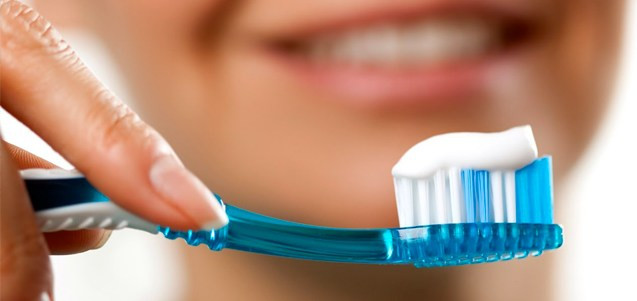
5 pasos para un buen cepillado de dientes.
Utiliza las herramientas necesarias
Existe una amplia variedad de cepillos de dientes, manuales y eléctricos, y es importante estar utilizando el mejor para nuestras necesidades. Nosotros recomendamos utilizar un cepillo eléctrico, ya que gracias al gran número de movimientos de sus filamentos logra eliminar la placa de forma más eficaz. De todos modos, hay una enorme variedad, por ejemplo, un cepillo especial con cerdas suaves cuando existe un problema de gingivitis etc. En nuestra clínica, un especialista en prevención dental te asesorará sobre el cepillo que más se adapte a tus necesidades.
Hilo dental o cepillo interproximal
Aunque la mayoría de los adultos tienen conciencia de la necesidad del cepillado de dientes, el uso de hilo dental o cepillos interproximales sigue siendo un paso que no se tiene tan asimilado, y es esencial. Una parte de la placa bacteriana queda atrapada entre los dientes, donde el cepillo dental no puede llegar. Esta acumulación es la que puede generar caries en zonas delicadas. También inflamación y sangrado de las encías, que pueden ser síntomas de enfermedades como la gingivitis y la posterior periodontitis.
Por ello, nuestros especialistas en Odontología preventiva recomiendan por lo menos una limpieza interdental al día. En nuestra clínica dental en Tijuana te asesoraremos sobre cómo usar el hilo dental y los cepillos interproximales, eligiendo los que más se adapten a tus espacios entre dientes. Muchos pacientes notan una amplia mejoría del color y aspecto de sus encías a los pocos días de practicar una buena higiene interdental.
Cepillarse los dientes como hábito después de las comidas
El cepillado dental debe realizarse tres veces al día, después de cada una de las comidas importantes. Los azúcares, ácidos y otros componentes de los alimentos se quedan pegados a nuestros dientes y crean la placa bacteriana. Con un cepillado eficiente de al menos dos minutos de duración se consigue eliminar estas bacterias.
Situaciones como cenar fuera de casa o comer en el trabajo a menudo promueven que olvidemos el cepillado dental, pero es importante mantener la rutina para que se convierta en un hábito.
El enjuague bucal no es solo para el aliento
Es un error asociar el uso de enjuague bucal como un paso final del cepillado solo para evitar el mal aliento o conseguir una sensación de frescor en la boca. La función del colutorio bucal es atacar a la placa y debilitar las bacterias, de forma que sea más fácil eliminarlas con el cepillado. Por esta razón nuestros especialistas odontólogos recomiendan elegir un buen colutorio e incluso enjuagarse antes de cepillarse los dientes.
Especial atención a las encías
No hay que olvidar que la higiene bucal debe emplearse en toda la boca, más allá de las piezas dentales. Así, se recomienda dedicar unos segundos a cepillar suavemente las encías para eliminar la gran cantidad de placa que se acumula en su parte inferior. Tampoco hay que olvidar cepillar de atrás hacia adelante la lengua y las mejillas para eliminar las bacterias de toda la cavidad bucal.

¿Cómo elegir la pasta de dientes más útil para ti?
Hoy en día podemos encontrar todo tipo de pastas, desde la tradicional contra la caries, pasando por específicas para sensibilidad, periodontales (encías) o las denominadas blanqueadoras.
El problema más común y extendido es la caries por ello las principales recomendaciones para tener una boca libre de caries pasan por una constante higiene bucal, utilizar un dentífrico que lleve una cantidad adecuada de flúor y realizar al menos una visita anual al dentista. Tampoco hay que olvidar que no se debe enjuagar la boca con agua tras el cepillado con dentífrico ya que limita notablemente el efecto de la pasta. Es más recomendable escupir la pasta.

Aloe Vera y Vitaminas
Una buena pasta de dientes también debe contener ingredientes auxiliares que ayuden en el mantenimiento de una higiene bucal adecuada. Caben destacar los siguientes:
- Aloe vera: alivia el dolor y la irritación de los tejidos de la boca.
- Vitamina E: ayuda a mantener las encías saludables y acelera su regeneración; reduce la hinchazón de los tejidos y el riesgo de hemorragia.
- Provitamina B5: protege la mucosa oral gracias a su acción cicatrizante.
- Vitamina A: tiene un efecto bactericida y favorece la secreción adecuada de saliva.
- Vitamina C: favorece el desarrollo adecuado de los dientes y el esmalte, también reduce el sangrado gingival.
En caso de duda sobre qué pasta de dientes es la más adecuada para ti, recomendamos pedir consejo a su dentista. Teniendo en cuenta las necesidades individuales, recomendará el producto adecuado.


Somos un equipo de Dentistas Especialistas en Tijuana, con un equipo comprometido por brindarte el mejor tratamiento Dental.
Más cerca de ti
Galería


